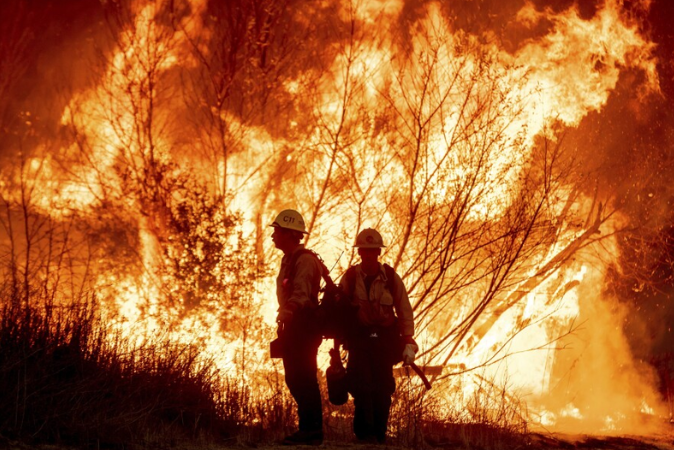
CHARLESTON, S.C. – In response to rapidly expanding wildfires that have already scorched thousands of acres, South Carolina Governor Henry McMaster has declared a statewide state of emergency. Nearly 200 fires are currently being battled by emergency responders, threatening local residents, property, and the environment across the Palmetto State.
Recent data from the South Carolina Forestry Commission reveal that over 4,000 acres of land have been consumed in just a few days, an unprecedented level of fire activity for this time of year. Areas such as the Pee Dee and Lowcountry are experiencing the most severe impacts, raising alarms among both officials and residents.
Governor McMaster stated, “This declaration ensures that our first responders have the necessary resources to protect our communities. These dangerous fire conditions demand an immediate, comprehensive response.” In addition to mobilizing firefighting units, the state has enforced a ban on all forms of outdoor burning—including yard debris burning, prescribed burns, and recreational campfires—to prevent new fires from igniting during these dry, windy conditions.
Officials warn that even a minor lapse in adherence to this ban could result in catastrophic consequences. A spokesperson for the South Carolina Forestry Commission noted, “With strong winds and dry ground, even the smallest spark can rapidly escalate into a much larger fire.”
By early Sunday morning, 182 separate fire incidents had burned a total of 4,247 acres. While many of these fires have been controlled, several remain active in critical areas such as Georgetown County in the Lowcountry, where multiple fires continue to threaten communities and prompt evacuations.
Firefighters are also contending with active blazes in Charleston, Colleton, Berkeley, Horry, Clarendon, Lancaster, and Pickens counties. Intense flames captured near a residence in the Carolina Forest community in Horry County have intensified concerns, with emergency teams describing the situation as a “race against time.”
Experts attribute the escalating wildfire crisis to a combination of prolonged drought, climate change, and increased human activity. The state’s diverse terrain—from coastal regions to inland forests—further complicates firefighting efforts. Local emergency response teams are coordinating closely with state and federal agencies, including resources from the National Interagency Fire Center, to manage and contain the fires.
Governor McMaster emphasized that the state’s immediate goal is twofold: protecting lives and preserving South Carolina’s natural resources. The wildfires have already damaged thousands of acres of forests, wildlife habitats, and recreational areas, with long-term environmental repercussions still unknown.
Residents in affected areas are urged to remain vigilant, follow evacuation orders, and limit outdoor activities that might inadvertently spark new fires. Local emergency hotlines and online resources have been established to guide residents on evacuation routes, shelter locations, and ongoing containment efforts. “The cooperation of every member of our community is critical,” one county emergency coordinator stated.
Looking ahead, state officials are planning long-term strategies to enhance wildfire preparedness. These include investments in advanced firefighting technologies, improved land management practices, and better community education on fire prevention. “Improving our communication and resource distribution systems will help protect property and lives,” said an emergency management analyst.
Governor McMaster is expected to hold a press conference later this week to outline additional measures aimed at not only managing the current emergency but also building a more resilient system for future disasters. Community support has been strong, with local organizations, volunteers, and relief efforts coming together to provide shelter, food, and medical aid to those displaced by the fires.
In the face of this crisis, the strength and unity of South Carolina’s communities remain a beacon of hope. As the state battles these devastating wildfires, officials and residents alike are determined to emerge stronger and more prepared for future challenges.